


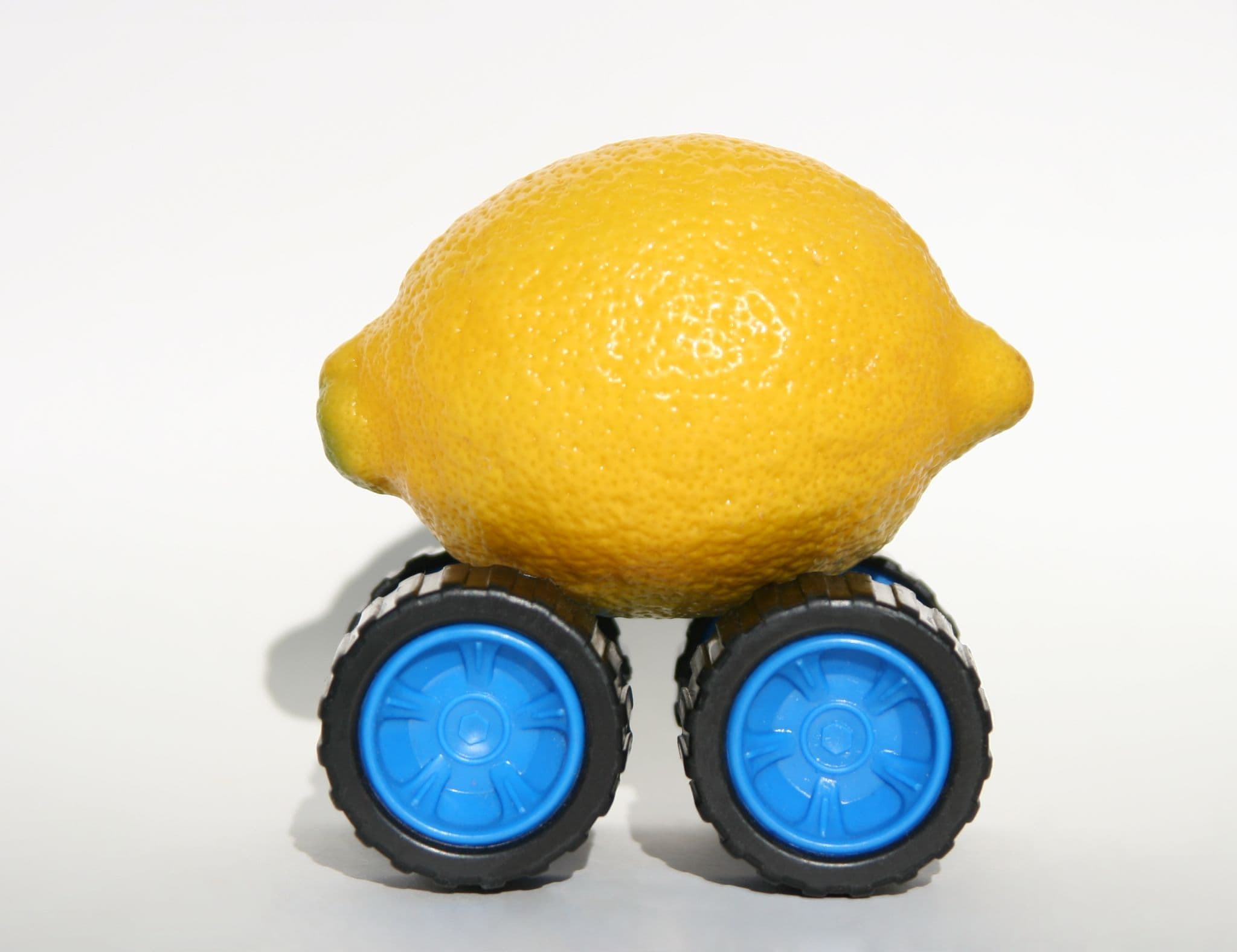
Not every vehicle with a problem qualifies for relief under California's lemon law — but more vehicles qualify than most consumers realize. The Song-Beverly Consumer Warranty Act sets out specific qualifications that, when met, entitle a consumer to a vehicle repurchase, replacement, or monetary settlement. Understanding those qualifications in precise detail is the first step toward knowing whether you have a viable claim.
At The Blueprint Law Group, we evaluate California lemon law claims every day. This guide breaks down the exact standards your vehicle must meet — clearly, accurately, and without the legalese.
Qualification #1: The Vehicle Was Purchased or Leased in California
California's Song-Beverly Consumer Warranty Act applies to vehicles bought or leased within the state of California. If you purchased your vehicle in another state, you may need to look to that state's law — though in certain circumstances, California law may still apply depending on where the vehicle is registered and used.
The law covers vehicles acquired through:
- A retail purchase from a licensed California dealership
- A lease agreement entered into in California
- In some cases, certified pre-owned purchases made through a manufacturer-backed CPO program
Private party sales of used vehicles sold without any warranty are generally excluded. The warranty coverage is what triggers the law's protections — without it, there is no statutory basis for a Song-Beverly claim.
Qualification #2: The Vehicle Is Covered by a Manufacturer's Express Warranty
This is the single most critical qualification. California's lemon law applies only to vehicles that carry a manufacturer's express warranty — meaning a written warranty issued by the vehicle's manufacturer, not a third-party extended warranty or dealer add-on coverage.
Qualifying warranty types include:
- New vehicle bumper-to-bumper warranties (typically 3 years or 36,000 miles)
- Powertrain warranties (typically 5 years or 60,000 miles)
- Manufacturer-backed certified pre-owned warranties
- Any portion of a manufacturer's original warranty still in effect at the time of a used vehicle sale
The defect must have first appeared and been reported to the manufacturer or its authorized dealership while the warranty was still active. A defect discovered after the warranty expires does not qualify, even if the same problem existed during the warranty period but went unreported.
This makes early, documented reporting essential. Every time you notice a recurring problem, bring it to the dealership and get it noted on the repair order — even if the problem seems minor at the time.
Qualification #3: The Defect Is a Nonconformity That Substantially Impairs Use, Value, or Safety
Under the Song-Beverly Act, the defect must constitute a nonconformity — meaning the vehicle fails to conform to the terms of the manufacturer's express warranty. But not every nonconformity qualifies. The defect must also substantially impair at least one of the following:
- The vehicle's use — the defect makes the car unreliable, undriveable, or functionally limited for its intended purpose
- The vehicle's value — the defect meaningfully reduces what a reasonable buyer would pay for the vehicle
- The vehicle's safety — the defect creates a genuine risk of harm to the driver, passengers, or the public
Cosmetic issues — paint inconsistencies, minor trim gaps, small surface blemishes — generally do not qualify unless they recur after repair or affect the vehicle's resale value in a demonstrable way. Courts look at whether a reasonable person would consider the defect substantial enough to impair their ability to use the vehicle as intended.
Examples of qualifying nonconformities include:
- Persistent engine problems — stalling, misfires, excessive oil consumption, overheating
- Transmission defects — harsh or delayed shifting, slipping gears, sudden failure
- Brake system issues — soft pedal, brake fade, ABS malfunction, premature wear
- Electrical failures — affecting the instrument cluster, safety sensors, or core vehicle functions
- Steering defects — loss of power steering, vibration, pulling to one side
- Safety system malfunctions — airbags, ADAS, lane departure, automatic emergency braking
- Battery or charging failures in hybrid or electric vehicles
If you're uncertain whether your specific defect meets this threshold, a lemon law attorney can help you evaluate it. Many consumers assume their problem isn't serious enough — and are surprised to learn it qualifies.
Qualification #4: The Manufacturer Had a Reasonable Number of Attempts to Fix the Defect
Before you can pursue a lemon law claim, the law requires you to give the manufacturer — through its authorized service network — a reasonable opportunity to repair the defect. The Song-Beverly Act provides a statutory presumption that simplifies this requirement.
Under the Act's rebuttable presumption provision, a vehicle is presumed to be a lemon if, within 18 months of delivery or 18,000 miles (whichever occurs first), any of the following apply:
- The same nonconformity has been subject to four or more repair attempts and still exists
- A nonconformity that is likely to cause death or serious bodily injury has been subject to two or more repair attempts
- The vehicle has been out of service for a cumulative total of more than 30 calendar days due to warranty repair
The 30-day total does not need to be consecutive. Every day the vehicle spends in the authorized dealership's service department for warranty repairs related to the qualifying defect counts toward this total — even across multiple separate visits spanning months.
One important clarification: all repair attempts must occur at the manufacturer's authorized dealership service center. Visits to independent mechanics, tire shops, or non-authorized facilities do not count toward the repair attempt total, regardless of the quality of the work performed there.
Outside the 18-month or 18,000-mile presumption window, claims can still be filed under the four-year statute of limitations. The presumption simply no longer applies automatically — you'll need to establish through evidence that the manufacturer had a reasonable number of opportunities to fix the defect and failed.
Qualification #5: The Defect Was Reported During the Warranty Period
Timing matters in lemon law. The nonconformity must have been reported to the manufacturer or its authorized dealer while the vehicle's warranty was still in effect. Waiting until after the warranty expires to report a long-standing defect will generally not preserve your claim.
This is why prompt reporting is one of the most important things a consumer can do. Each time your vehicle exhibits a recurring problem, bring it in for service and make sure the service advisor documents the specific defect on the repair order. Don't let a dealer convince you that the problem is normal, minor, or not worth writing up — if you're experiencing it, get it on paper.
Written repair orders are your most valuable evidence in a lemon law case. They establish the timeline of the defect, the number of repair attempts, and the fact that the manufacturer had notice of the problem.
Do Used Vehicles Qualify Under California's Lemon Law?
Yes — under the right circumstances. Used vehicles can qualify under the Song-Beverly Act if they were sold with an active manufacturer's warranty still in effect. This includes:
- Vehicles still within the original factory warranty period at the time of sale
- Certified pre-owned (CPO) vehicles sold under a manufacturer-backed CPO warranty
The key is that the warranty must come from the manufacturer — not a dealer service contract or a third-party warranty company. If a used vehicle was sold to you with an active manufacturer's warranty, and you've experienced recurring defects that the dealership can't fix, you have the same lemon law rights as a new vehicle buyer.
Do Leased Vehicles Qualify?
Yes. California's Song-Beverly Act explicitly covers vehicles that are leased, not just purchased outright. A lessee has the same rights as a buyer when it comes to pursuing a lemon law claim. The remedy in a lease case is typically calculated based on the total lease payments made, any down payment or capitalized cost reduction, and other fees paid — rather than a traditional purchase price buyback.
If you're leasing a vehicle that has a recurring, unresolved defect, don't assume the law doesn't apply to you. Lemon law protections extend fully to leased vehicles under California law.
What About Motorcycles, RVs, and Commercial Vehicles?
California's lemon law is broader than most consumers realize in terms of vehicle types. Motorcycles purchased for personal use with an active manufacturer's warranty can qualify. Certain trucks and SUVs used primarily for personal or family purposes are covered. Small businesses that own five or fewer vehicles registered in California may also qualify for lemon law protection on vehicles used primarily for business.
Motorhomes have a partial carve-out — the motorized chassis and engine components are covered under the Song-Beverly Act, but the living quarters (habitation area) may be governed by different rules. RV owners should consult a lemon law attorney for specific guidance on their situation.
What Does Not Qualify
Being clear about exclusions is just as important as knowing what qualifies. The following generally do not support a lemon law claim:
- Defects caused by the consumer's misuse, neglect, or unauthorized modifications
- Problems arising from a collision or accident not related to a pre-existing defect
- Issues with components not covered under the manufacturer's express warranty
- Vehicles purchased in other states and used primarily outside California
- Third-party warranty claims — these are contract disputes, not lemon law claims
If you're unsure whether your situation falls inside or outside these exclusions, the safest and most effective step is a consultation with an attorney who specializes in California lemon law.
The Blueprint Law Group: Let Us Evaluate Your Vehicle
Understanding whether your vehicle meets California's lemon law qualifications requires looking at the full picture — the defect, the repair history, the warranty status, the timeline, and the documentation. At The Blueprint Law Group, we offer free consultations to help California consumers determine exactly where they stand.
If your vehicle qualifies, you may be entitled to a full buyback, a replacement vehicle, or a monetary settlement — and the manufacturer may be required to pay your legal fees. There's no cost and no obligation to find out. Contact us today.
Visit us at theblueprintlawgroup.com
Straight answers.
What does it cost to hire you for a lemon law claim?
Nothing upfront. We don't charge hourly rates or retainers for lemon law cases. Because the Song-Beverly Consumer Warranty Act includes a fee-shifting provision, the manufacturer generally becomes responsible for reasonable attorney's fees once you prevail.
What can I recover?
Depending on your case, California's Lemon Law may entitle you to a replacement vehicle, a refund, or compensation.
How many repair attempts do I need?
A reasonable number. Under the Song-Beverly Act's presumption, within 18 months or 18,000 miles that generally means four or more attempts at the same defect, more than 30 days out of service, or two or more attempts at a defect likely to cause death or serious bodily injury. Outside that window you may still have a claim. We review your repair orders for free.
Is there a deadline to file?
Yes — and California's time limits recently changed. Read what AB 1755 means for your deadline, or ask us to check yours.